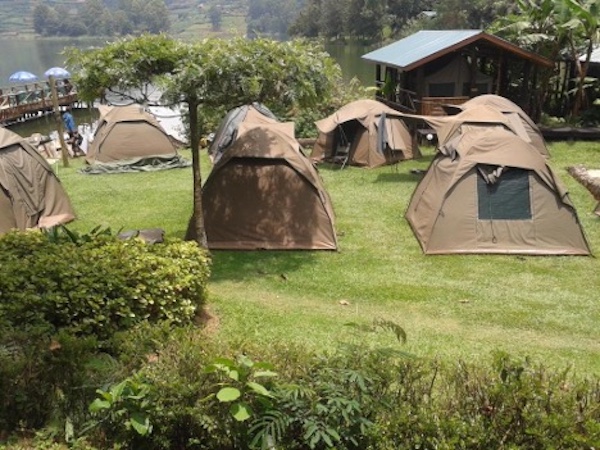
Camping in Mgahinga Gorilla National Park is one of the most rewarding ways to experience Uganda’s smallest national park. Nestled in the southwestern corner of Uganda, where the borders of Uganda, Rwanda, and the Democratic Republic of Congo meet, Mgahinga offers an authentic wilderness experience surrounded by towering volcanic mountains, bamboo forests, and rare wildlife.
Unlike staying in a lodge, camping allows you to immerse yourself in nature. You’ll wake up to birdsong, breathe in the cool mountain air, and enjoy spectacular views of the Virunga Volcanoes right from your tent. Whether you’re planning a gorilla trekking adventure, golden monkey tracking, volcano hiking, or simply looking for a peaceful escape into nature, camping in Mgahinga provides an unforgettable experience.
This guide covers everything you need to know before planning your camping trip in Mgahinga National Park.
Why Camp in Mgahinga National Park?
Camping brings you closer to nature than any hotel or safari lodge ever could. The park’s peaceful environment, rich biodiversity, and breathtaking scenery make it one of Uganda’s finest camping destinations.
Here are some reasons why travelers choose camping over traditional accommodation:
- Experience nature without distractions.
- Wake up to incredible views of the Virunga Mountains.
- Listen to the sounds of wildlife throughout the night.
- Enjoy clear star-filled skies far away from city lights.
- Spend less on accommodation and more on activities.
- Perfect for photographers, birdwatchers, hikers, and adventure lovers.
Camping also creates opportunities to socialize with fellow travelers around a campfire while sharing safari stories.
Where is Mgahinga National Park?
Mgahinga Gorilla National Park is located in Kisoro District in southwestern Uganda. Covering only 33.7 square kilometers, it is Uganda’s smallest national park but among its most spectacular.
The park forms part of the larger Virunga Conservation Area, which extends into Rwanda and the Democratic Republic of Congo.
The three volcanic mountains within the park include:
- Mount Muhabura
- Mount Gahinga
- Mount Sabyinyo
These volcanoes dominate the landscape and provide some of East Africa’s most rewarding hiking experiences.
Best Campsites and Places to Camp in Mgahinga National Park
Whether you are traveling on a budget or looking for a more comfortable camping experience, Mgahinga National Park and its surrounding area offer several excellent camping options.
- Amajambere Iwacu Community Camp (Best Budget Campsite)
Located just outside Ntebeko Gate, Amajambere Iwacu Community Camp is the most popular campsite for visitors to Mgahinga National Park. Established in 1994, this community-owned campsite was created to benefit local families and remains the only dedicated budget campground immediately next to the park entrance. It offers camping space, bandas, dormitories, shared bathrooms, hot showers, a restaurant, and secure parking. The camp is also the starting point for gorilla trekking, golden monkey tracking, and hikes to Mount Sabyinyo, Mount Gahinga, and Mount Muhabura. Staying here directly supports local community conservation initiatives.
Highlights
- Walking distance to the park headquarters
- Affordable camping fees
- Spectacular views of the Virunga Volcanoes
- Campfire area
- Restaurant and bar
- Secure parking
- Community cultural experiences
- Mount Gahinga Lodge Camping Area
Although Mount Gahinga Lodge is primarily a luxury safari lodge, it also provides designated camping areas for visitors who prefer to sleep under canvas while enjoying higher-end facilities. Situated only a few minutes from the park entrance, campers have access to beautiful gardens, excellent views of the volcanoes, quality dining, and comfortable amenities. It is an ideal choice for travelers seeking a more upscale camping experience.
Highlights
- Luxury surroundings
- Excellent restaurant
- Stunning mountain scenery
- Close to the gorilla trekking briefing point
- Lake Mutanda Campsites
Approximately 30–40 minutes from Mgahinga National Park, Lake Mutanda is one of southwestern Uganda’s most scenic camping destinations. Several lodges around the lake offer camping grounds overlooking the water and the Virunga Volcanoes. This is an excellent option for travelers who want to combine gorilla trekking with canoeing, birdwatching, swimming, or simply relaxing after hiking.
Highlights
- Beautiful lakeside setting
- Canoe excursions
- Birdwatching
- Sunrise and sunset photography
- Cooler climate
- Kisoro Town Camps and Guesthouses
If you’re looking for a wider range of budget accommodation with camping options, Kisoro Town—about 12 km from Mgahinga—offers several guesthouses and campsites. While you’ll need to drive to the park each morning, Kisoro provides easy access to shops, supermarkets, banks, fuel stations, and restaurants, making it a convenient base for longer stays.
Highlights
- Easy access to supplies
- Budget-friendly accommodation
- Restaurants and cafés
- Convenient for self-drive travelers
Which Campsite Should You Choose?
| Campsite | Best For | Distance to Mgahinga Gate |
| Amajambere Iwacu Community Camp | Budget campers, backpackers, gorilla trekkers | At Ntebeko Gate |
| Mount Gahinga Lodge Camping Area | Luxury camping | About 2–5 minutes |
| Lake Mutanda Campsites | Scenic camping and relaxation | 30–40 minutes |
| Kisoro Town Camps | Convenience and longer stays | About 45–60 minutes |
Best Time for Camping
Camping in Uganda is possible throughout the year, although weather conditions vary depending on the season.
Dry Seasons
The best months include:
- June to August
- December to February
During these months:
- Hiking trails remain relatively dry.
- Gorilla trekking becomes easier.
- Roads are more accessible.
- Camping conditions are more comfortable.
Wet Seasons
Rainfall is common during:
- March to May
- September to November
Camping during the rainy season can still be enjoyable, but visitors should prepare for muddy trails and frequent afternoon showers.
The lush green scenery during these months is particularly attractive for photographers.
What Wildlife Can You See?
Although famous for mountain gorillas, Mgahinga is home to a surprising diversity of wildlife.
Visitors may encounter:
Mountain Gorillas
Mgahinga protects one habituated gorilla family available for trekking.
Watching these gentle giants in their natural habitat is the park’s main attraction and one of Africa’s greatest wildlife experiences.
Golden Monkeys
Mgahinga is Uganda’s best destination for tracking endangered golden monkeys.
These colorful primates move rapidly through the bamboo forests, creating exciting photographic opportunities.
Mammals
Other wildlife includes:
- Bushbucks
- Giant forest hogs
- Forest elephants (rare)
- Buffaloes
- Duikers
- Side-striped jackals
Birds
Bird enthusiasts can spot over 180 bird species, including several Albertine Rift endemics such as:
- Rwenzori Turaco
- Scarlet-tufted Sunbird
- Dusky Crimsonwing
- Kivu Ground Thrush
Early morning around the campsites often provides excellent birdwatching.
Activities to Enjoy While Camping
Camping gives you easy access to the park’s many adventures.
Gorilla Trekking
This is undoubtedly the highlight of visiting Mgahinga.
Treks begin early in the morning after a briefing by park rangers before heading into the forest to locate the habituated gorilla family.
Visitors spend one unforgettable hour observing the gorillas.
Golden Monkey Tracking
Golden monkey tracking offers a lighter alternative to gorilla trekking.
These playful monkeys are easier to locate and provide excellent wildlife photography opportunities.
Volcano Hiking
Three spectacular volcanoes await adventurous hikers.
Mount Sabyinyo
One of Uganda’s most challenging hikes.
Its summit allows visitors to stand in Uganda, Rwanda, and the Democratic Republic of Congo at the same time.
Mount Gahinga
A moderate hike leading through bamboo forests to a beautiful crater swamp.
Mount Muhabura
The highest mountain in the park rewards hikers with panoramic views across the Virunga Range.
Batwa Cultural Experience
The Batwa Trail introduces visitors to the indigenous Batwa people, who once lived inside these forests before the park was established.
Guided by former Batwa forest dwellers, visitors learn about:
- Traditional hunting
- Herbal medicine
- Ancient survival skills
- Cultural dances
- Storytelling
The experience offers valuable insight into one of Uganda’s oldest cultures.
Essential Camping Equipment
Proper preparation ensures a comfortable camping experience.
Bring:
- Waterproof tent
- Sleeping bag suitable for cool mountain temperatures
- Sleeping mat
- Camping chair
- Headlamp or flashlight
- Extra batteries
- Cooking equipment
- Drinking water
- Warm clothing
- Rain jacket
- Hiking boots
- Insect repellent
- Sunscreen
- Power bank
- Camera
- Binoculars
Temperatures can become surprisingly cold at night due to the park’s high elevation.
Food While Camping
Some campsites have cooking areas where visitors can prepare their own meals.
Many nearby lodges also serve meals for campers.
Popular camping foods include:
- Rice
- Pasta
- Beans
- Fresh vegetables
- Fruits
- Eggs
- Tea
- Coffee
If you’re self-catering, buy supplies in Kisoro before heading to the park.
Safety Tips for Campers
Camping inside or near wildlife habitats requires extra awareness.
Follow these guidelines:
- Never leave food outside your tent.
- Store rubbish properly.
- Keep a safe distance from wildlife.
- Avoid walking alone after dark.
- Follow ranger’s instructions.
- Stay within designated camping areas.
- Carry a first aid kit.
- Keep valuables secure.
The park rangers regularly patrol camping areas to ensure visitor safety.
Weather and What to Wear
Mgahinga sits at elevations ranging from 2,227 to over 4,100 meters above sea level.
The weather changes quickly throughout the day.
Recommended clothing includes:
- Waterproof hiking boots
- Long trousers
- Long-sleeved shirts
- Warm fleece
- Rain jacket
- Hat
- Gloves during colder months
Layering clothing is highly recommended.
How to Reach Mgahinga National Park
The park can be reached by road or air.
By Road
From Kampala:
- Approximately 500 kilometers
- Around 9–10 hours depending on road conditions
Popular route:
Kampala → Mbarara → Kabale → Kisoro → Mgahinga National Park
Many visitors combine the journey with stops at Lake Bunyonyi or Queen Elizabeth National Park.
By Air
Domestic flights operate between Entebbe International Airport and Kisoro Airstrip.
From Kisoro, it is approximately one hour by road to the park entrance.
Self-Drive and Transportation
Many visitors prefer exploring southwestern Uganda independently because it allows greater flexibility when visiting multiple attractions. Choosing a reliable car rental service in Uganda with a well-maintained 4×4 vehicle is highly recommended, especially during the rainy season when some roads leading to Mgahinga National Park can become muddy and slippery.
A four-wheel-drive vehicle provides better comfort and safety while traveling through the mountainous terrain, and it also makes it easier to combine Mgahinga with destinations such as Bwindi Impenetrable National Park, Lake Bunyonyi, Queen Elizabeth National Park, or Rwanda’s Volcanoes National Park.
Camping Costs
Camping remains one of the most affordable accommodation options in Mgahinga.
Costs generally include:
- Park entrance fees
- Camping fees
- Gorilla trekking permits (optional)
- Golden monkey permits (optional)
- Guided hikes
- Equipment rental (if needed)
Visitors should confirm current prices before traveling, as fees may change.
Photography Tips
Mgahinga offers incredible opportunities for landscape and wildlife photography.
For the best results:
- Carry waterproof camera protection.
- Bring extra batteries.
- Use a zoom lens for wildlife.
- Capture early morning mountain light.
- Respect wildlife photography regulations.
- Avoid using flash during gorilla encounters.
The misty volcanoes often create dramatic backgrounds for stunning images.
Why Camping in Mgahinga is Worth It
Camping in Mgahinga National Park is about much more than saving money on accommodation. It is an opportunity to experience one of Uganda’s most pristine protected areas in a deeper, more meaningful way. Falling asleep to the sounds of nature, waking up to spectacular mountain views, and spending your days trekking gorillas, tracking golden monkeys, climbing extinct volcanoes, or learning about the Batwa culture creates memories that last a lifetime.
Whether you are an experienced camper or trying wilderness camping for the first time, Mgahinga offers a unique combination of adventure, tranquility, and breathtaking scenery. Its uncrowded trails, rich biodiversity, and welcoming local communities make it one of Uganda’s hidden gems. For travelers seeking an authentic African outdoor experience, camping in Mgahinga National Park is an adventure that truly belongs on every Uganda safari trip.